A beautiful new floor starts with what you cannot see.
Before LVT, vinyl, laminate, carpet tiles or other floor coverings are fitted, the subfloor underneath must be suitable. If the base is uneven, rough, cracked, dusty or full of dips, the finished floor may not look right or perform properly.
This is where self-levelling compound can be useful.
Self-levelling compound, also called floor levelling compound or smoothing compound, is used to create a smoother and more even surface before new flooring is installed. It helps deal with small dips, surface irregularities and rough patches that could affect the final result.
However, it is not always needed. It is also not a magic fix for every bad floor. Some floors need simple patch repair. Some need plywood. Some need a damp proof membrane. Some need professional screeding. Some need structural repair before any flooring work begins.
This guide explains when you need self-levelling compound, when you do not, how it helps different flooring types, and what UK homeowners should check before starting a flooring project.
Self-levelling compound is a floor preparation material used to smooth and level a subfloor before a final floor covering is fitted.
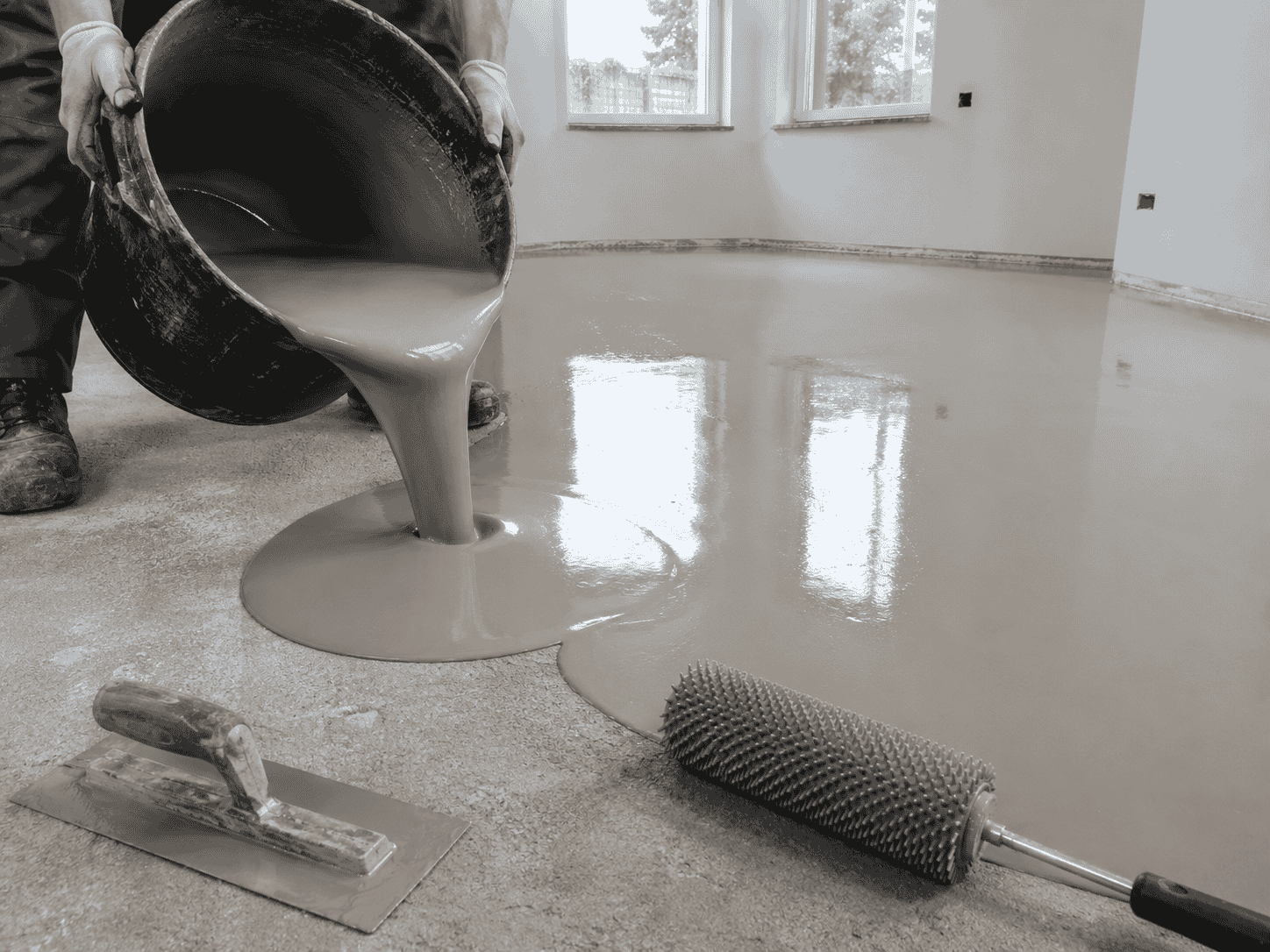
It usually comes as a powder that is mixed with water or a liquid additive. Once mixed, it is poured or spread over the floor. It flows across the surface and helps fill low areas, minor dips and rough patches.
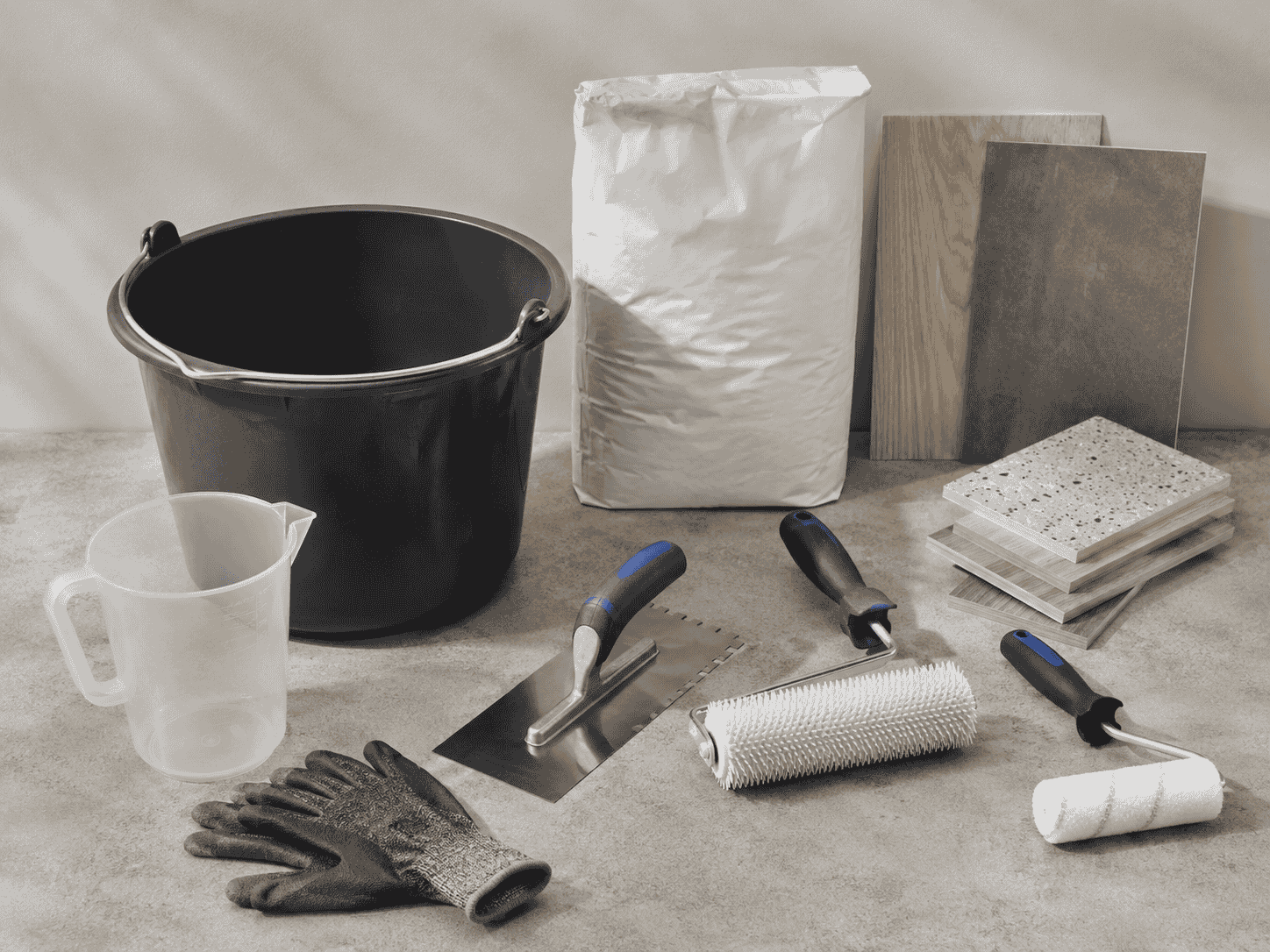
Despite the name, self-levelling compound does not do all the work by itself. It still needs correct mixing, spreading, timing and preparation. A fitter may use tools such as a smoothing trowel, spiked roller or mixing paddle to help achieve the right finish.
The goal is not simply to make the floor look neat. The goal is to create a suitable base for the flooring that will sit on top.
Self-levelling compound and screed are related, but they are not always the same thing.
A traditional screed is usually used to create or build up a floor level over a larger depth. It may be used in new builds, extensions or major renovation work.
Self-levelling compound is usually used as a thinner smoothing layer over an existing subfloor. It is commonly used before fitting modern floor coverings such as LVT, vinyl, carpet tiles, laminate or tiles.
Think of it like this:
Screed is often used to create the main floor base.
Self-levelling compound is often used to prepare and smooth the surface before the final floor is fitted.
If the floor has major height differences or structural problems, self-levelling compound may not be enough on its own.
Many flooring problems start underneath the finished floor. Homeowners often focus on the colour, design and price of the flooring, but the subfloor is just as important.
Poor preparation can cause:
A high-quality floor covering can still fail if it is installed over a poor base. This is why professional floor layers often spend a lot of time checking and preparing the subfloor before fitting begins.
You may need self-levelling compound when the subfloor is not smooth or flat enough for the flooring being installed.
Here are the most common situations.
If parts of the floor dip lower than the surrounding area, self-levelling compound can help create a smoother surface.
Low spots are especially important to fix before fitting LVT, vinyl or tiles. These floor coverings can show imperfections or feel uneven if the base is not right.
A few small dips may be repaired locally, but larger uneven areas may need a full smoothing layer.
Concrete subfloors often need preparation before flooring is installed. Even if the concrete looks strong, it may have rough patches, small holes, trowel marks or surface variation.
Self-levelling compound can create a smoother finish over concrete, making it more suitable for the final floor covering.
Before applying compound to concrete, the surface should normally be clean, dry, stable and free from dust, grease, loose material or old residues.
LVT and vinyl need a particularly smooth base. Because these products are relatively thin compared with carpet, imperfections in the subfloor can sometimes show through.
This is often called “telegraphing”. It means bumps, ridges, joints or rough areas underneath can appear through the finished floor.
Self-levelling compound is commonly used before glue-down LVT or sheet vinyl to create a clean, smooth base.
If you want a premium finish with LVT, proper preparation is essential.
Tiles need a stable and even surface. If the floor is uneven, tiles can rock, crack or create uneven grout lines.
Self-levelling compound may be used before tiling to reduce dips and create a better base. However, tile installations also depend on the correct adhesive, substrate and movement allowance.
If the subfloor moves or flexes, levelling compound alone will not solve the problem.
Carpet tiles may seem forgiving, but they still need a suitable subfloor. Uneven areas can cause tiles to sit badly, create raised edges or make the finished floor look patchy.
A smoothing compound can help create a better surface for carpet tiles, especially in home offices, commercial spaces, hallways and converted rooms.
In renovation projects, old flooring may leave adhesive residue behind. Some residues can affect the bond of new adhesives or create an uneven surface.
In some cases, the residue must be mechanically removed. In other cases, a specialist smoothing compound may be suitable over certain old adhesive residues.
This is one area where product choice matters. Do not assume any self-levelling compound can go over old adhesive. Always check compatibility.
If one room is slightly lower than another, self-levelling compound may help reduce the height difference.
This can be useful when creating a smoother transition between rooms, especially where new flooring will meet existing flooring.
However, if the height difference is large, a deeper compound, screed or other build-up system may be needed.
Some flooring types are less forgiving than others. If you are fitting a premium LVT, smooth vinyl or design-led flooring, the subfloor quality becomes even more important.
The better the preparation, the better the final finish usually looks.
Self-levelling compound is often used when homeowners want a clean, professional result rather than a quick cover-up.
Self-levelling compound is useful, but it is not always required.
You may not need it if:
It is important to assess the floor properly before deciding.
Carpet is more forgiving than LVT, vinyl or laminate, especially when fitted with a good underlay. Minor surface imperfections may not show as clearly.
However, carpet cannot fix every uneven floor. Large dips, raised areas, loose boards or damaged subfloors can still cause problems.
If the floor feels unstable before carpet is fitted, underlay and carpet will not solve the underlying issue. The base should still be checked and prepared.
Laminate flooring is usually installed as a floating floor over underlay. It does not always need self-levelling compound, but it does need a flat and stable subfloor.
If the subfloor has dips or bumps, laminate boards can move, creak or separate at the joints. The click system may become stressed over time.
Self-levelling compound may be needed before laminate if the floor is uneven beyond the manufacturer’s tolerance.
However, underlay should not be used as a way to hide a badly uneven floor. Underlay can help with comfort and minor smoothing, but it is not a replacement for proper floor preparation.
Glue-down LVT often needs excellent subfloor preparation. In many cases, a smoothing compound is used before installation.
This is because glue-down LVT is bonded directly to the surface. If the subfloor is rough, uneven or contaminated, the adhesive may not bond properly and imperfections may show through.
Click LVT may be slightly more forgiving, especially rigid core products, but it still needs a flat, clean and stable base.
For LVT, self-levelling compound is often one of the most important preparation steps.
Sheet vinyl usually needs a very smooth surface. Because it is flexible, it can show bumps, joints, cracks and rough patches beneath it.
If the subfloor is not smooth, self-levelling compound or another smoothing method may be needed.
This is especially important in bathrooms, kitchens and utility rooms where sheet vinyl is often used.
Yes, self-levelling compound is commonly used on concrete floors. It can smooth rough concrete and help create a better base for floor coverings.
Before applying it, the concrete should be checked for:
Concrete may also need primer before levelling compound is applied. If the concrete has moisture issues, a damp proof membrane may be required before the final flooring system is installed.
Sometimes, but wooden floors need special care.
Timber floors can move, flex and expand. Standard levelling compounds may crack or fail if used over an unsuitable timber base.
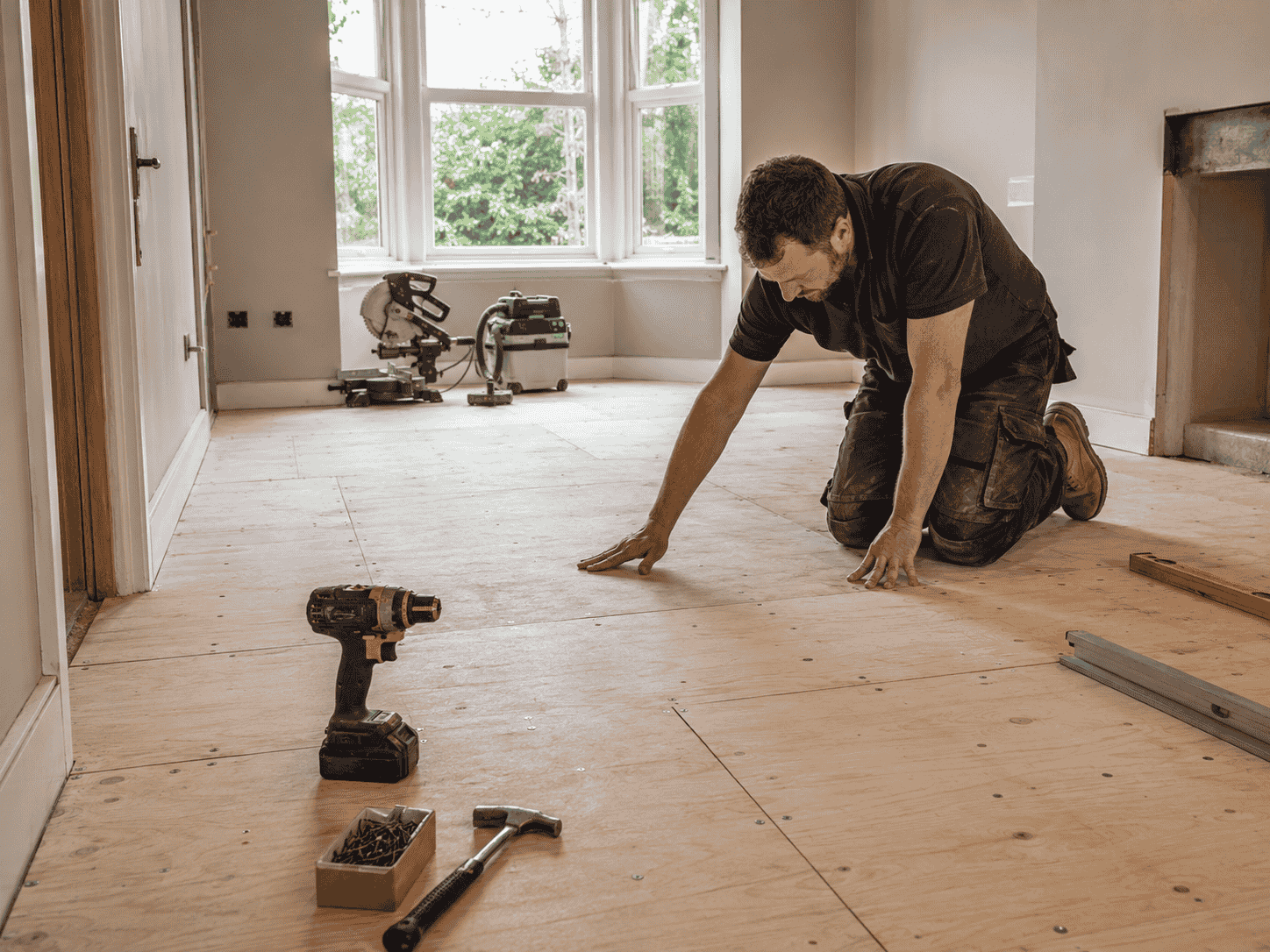
Before levelling over a wooden floor, the boards must be secure, stable and suitable. In many cases, the floor may need overboarding with flooring-grade plywood or a suitable board system before compound is used.
A fibre-reinforced flexible compound may be needed for some timber applications.
Do not pour standard self-levelling compound over loose floorboards or weak chipboard and expect it to solve the problem. Movement underneath can lead to failure.
In many cases, yes.
Primer helps the levelling compound bond to the subfloor. It can also help control absorbency, which affects how the compound flows and dries.
If primer is skipped, the compound may dry too quickly, fail to bond properly or create a weak finish.
Different subfloors need different primer approaches. Porous concrete may need one type of primer, while non-porous surfaces such as tiles may need another.
Always follow the primer and compound instructions as a system.
If a floor needs levelling and you skip the step, you may have problems later.
Possible issues include:
Skipping preparation can save time at the start but often costs more to fix later.
There are several simple signs.
You may notice:
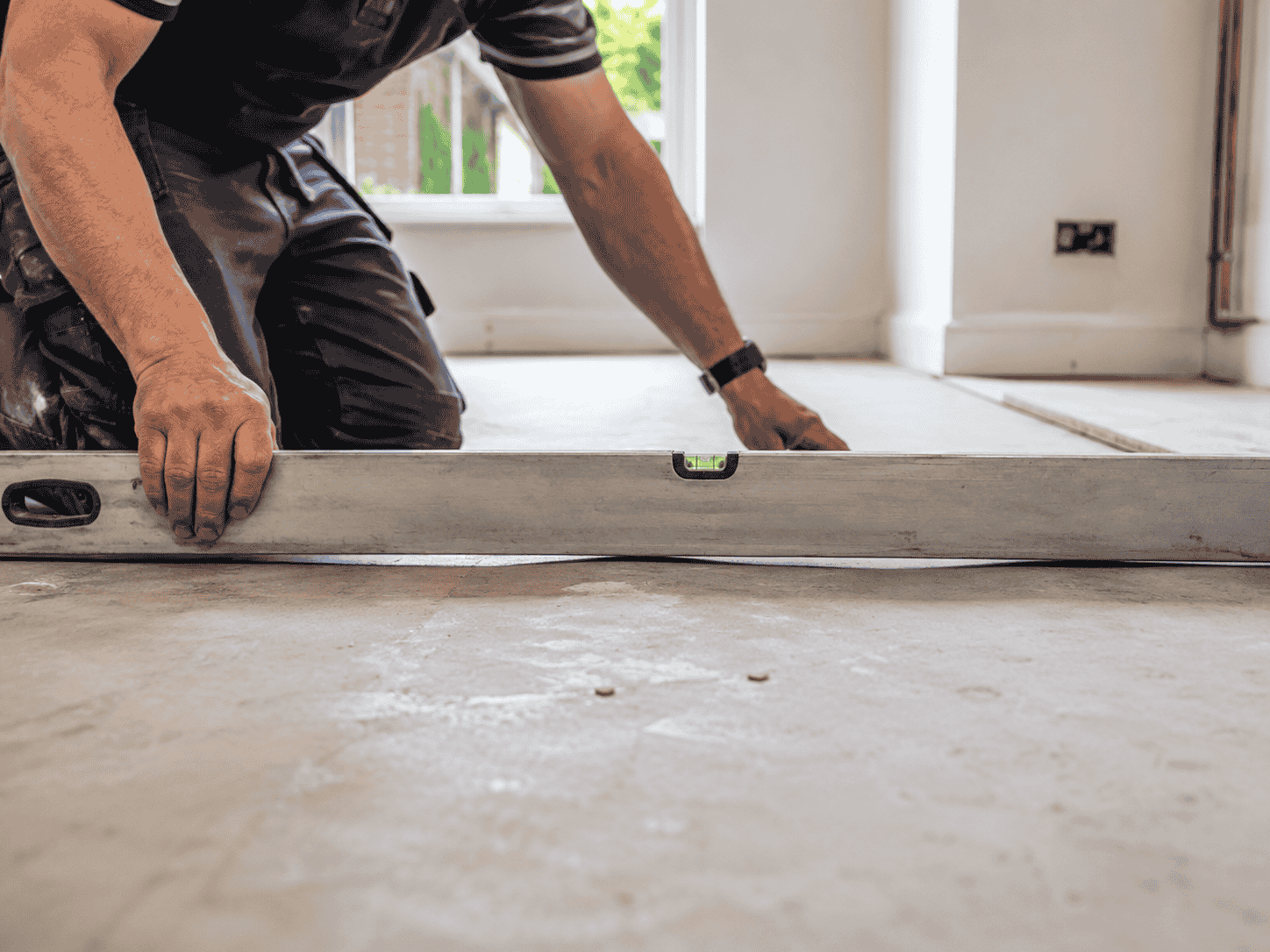
A professional fitter may use a long straight edge, level or laser to check the floor properly.
Do not rely only on eyesight. Some floors look fine until you place a long straight edge across them.
This depends entirely on the product.
Some compounds are designed for thin smoothing layers. Others can be applied at greater depths. Some are suitable for deep sections, while others are only for surface finishing.
Never guess the thickness. Always check the product data sheet.
Applying compound too thinly or too thickly can cause cracking, poor drying or weak performance.
If the floor has large differences in height, you may need a specialist compound or a different floor preparation method.
Drying time depends on the product, thickness, temperature, ventilation, moisture levels and the flooring being installed afterwards.
Some fast-drying compounds can be walked on quickly. Others may need longer before floor coverings can be fitted.
Do not assume that “walk-on time” means “ready for flooring”. A compound may be firm enough to walk on but not yet ready to receive adhesive or floor covering.
Always check the product instructions and allow proper drying time.
Yes, once the compound is fully dry and suitable for the floor covering being installed.
Before fitting the final floor, the surface should be checked. It may need light sanding, vacuuming or priming depending on the flooring system.
The compound must be strong, dry and clean before adhesive, underlay or flooring is applied.
Dust, grease, loose material and old residue can stop the compound bonding properly. A clean surface is essential.
Primer is often needed for proper adhesion and flow. Skipping it can lead to failure.
Too much water can weaken the compound and affect drying. Always mix according to the instructions.
Self-levelling compound usually needs proper mechanical mixing to achieve the correct consistency. Poor mixing can cause lumps and weak patches.
Levelling compound has a limited working time. Once mixed, it needs to be poured and spread within the recommended time.
Not every compound works on every subfloor. Timber, concrete, tiles, old adhesive and damp areas may all need different products.
If the subfloor has moisture problems, levelling compound alone will not solve them. Moisture testing and damp proof systems may be needed.
Self-levelling compound is for smoothing and levelling suitable substrates. It is not a structural repair product for rotten boards, loose floors or major movement.
Before buying, check:
This checklist helps prevent choosing the wrong product for the job.
Small areas may be manageable for confident DIY users, but floor levelling can go wrong quickly if the preparation, mixing or timing is poor.
Professional fitting is recommended if:
Floor preparation is not the best place to cut corners. A smooth, stable base makes the final flooring look better and last longer.
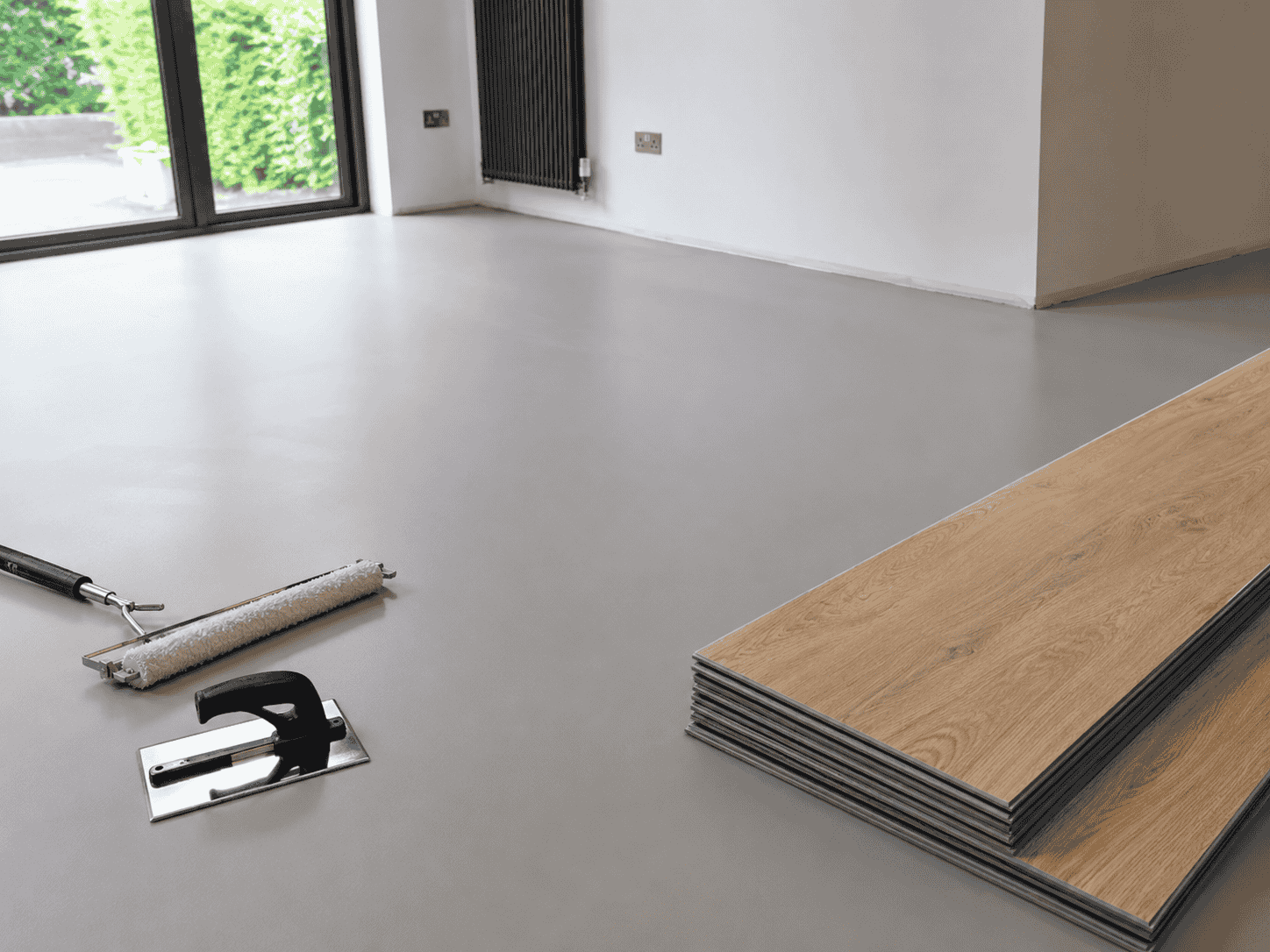
Self-levelling compound is needed when a subfloor is not smooth, flat or suitable enough for the flooring being installed. It is commonly used before LVT, vinyl, tiles, carpet tiles and some laminate installations.
It can help correct dips, smooth rough concrete, cover minor surface imperfections and create a better base for new flooring.
However, it is not always required and it is not suitable for every problem. Serious moisture issues, loose timber floors, structural movement or major height differences may need other preparation methods first.
The most important step is proper assessment. Check the subfloor before choosing the flooring. If the base is wrong, the finished floor may not perform properly, no matter how good the product is.
At Casa Flooring, you can explore screeds, levelling compounds, primers, adhesives, DPM products and flooring accessories to help prepare your floor correctly before installation.
Self-levelling compound is used to smooth and level a subfloor before new flooring is installed. It helps create a better base for LVT, vinyl, laminate, tiles and carpet tiles.
Glue-down LVT often needs a very smooth subfloor, so self-levelling compound is commonly used. Click LVT may also need levelling if the subfloor is uneven.
Not always. Laminate needs a flat and stable subfloor. If the subfloor is uneven beyond the manufacturer’s tolerance, levelling may be required.
Yes, it is commonly used over concrete, but the concrete must be clean, dry, sound and properly primed where required.
Sometimes, but timber floors need special preparation. Loose boards, movement or unsuitable chipboard can cause problems. A flexible or fibre-reinforced product may be needed.
In many cases, yes. Primer helps with adhesion, flow and drying. Always follow the manufacturer’s instructions.
It depends how uneven the floor is and which product is used. Major height differences may need screeding or other preparation rather than standard self-levelling compound.
Drying time depends on the product, thickness, temperature and room conditions. Always check the product data sheet before fitting flooring on top.
Many compounds can be walked on after a set period, but walk-on time is not always the same as being ready for flooring. Check the product instructions.
The finished floor may show bumps, move, lift, crack, gap or wear unevenly. Proper preparation helps the new floor look better and last longer.