
Laminate flooring has come a long way in recent years. Today’s designs offer realistic wood and stone effects, durable surfaces and practical finishes that suit busy homes. But one question still causes confusion for many UK buyers: is laminate flooring waterproof?
The short answer is: not always. Traditional laminate flooring is usually water-resistant rather than fully waterproof. It can cope with everyday spills when they are cleaned quickly, but it is not designed to withstand standing water, leaks or prolonged moisture. Some newer laminate ranges offer enhanced water resistance and may be marketed as waterproof for a set period, but the exact protection depends on the product, installation and room conditions.
Understanding the difference is important before choosing flooring for kitchens, hallways, bathrooms or family homes. This guide explains what laminate flooring is made from, how it reacts to water, where it works best and what UK homeowners should look for before buying.
Laminate flooring is made from several fused layers, each designed to provide a different benefit.
The top layer is a transparent protective wear layer. This helps protect the decorative surface from everyday marks, fading and light scratches. Beneath this is the printed design layer, which creates the appearance of natural oak, herringbone timber, slate, stone or other finishes.
The main body of most laminate boards is a high-density fibreboard core, often called HDF. This gives laminate its strength and stable feel underfoot. The base layer helps support the board and improve balance.
It is the fibreboard core that makes water protection so important. Although the top surface may repel moisture for a short time, water that reaches the edges, joins or underside of the board can be absorbed by the core. If this happens, the board may swell, lift or lose its shape.
This is why not all laminate flooring is suitable for every room. A product’s surface may look highly resistant to spills, but the performance of the joins and core matters just as much.
The terms “waterproof” and “water-resistant” are often used interchangeably, but they do not mean the same thing.
Water-resistant laminate is designed to cope with small spills and everyday moisture for a limited time. For example, a dropped glass of water, splashes from cooking or wet shoes in a hallway should not cause a problem if the moisture is wiped up promptly. These products may have tighter locking systems, sealed edges or protective surface coatings to slow down water penetration.
Waterproof laminate is designed to offer a higher level of protection against water exposure. Depending on the range, this may mean the floor can withstand surface water for a stated number of hours or days. However, buyers should always read the manufacturer’s guidance carefully. “Waterproof” does not automatically mean that the floor is suitable for every wet area or that leaks can be ignored.
In simple terms:
The wording on a product page is useful, but the technical instructions are more important. Always check the warranty details, fitting requirements and room-suitability guidance before making your decision.
Traditional laminate flooring is not waterproof. It is best described as moisture-resistant at the surface, provided spills are dealt with quickly.
The main risk comes when water sits along plank edges or enters the click joints. Over time, moisture can be absorbed by the fibreboard core. This can lead to swelling at the edges, raised joins, warping or a roughened surface.
That does not mean traditional laminate is impractical. It remains a great choice for bedrooms, living rooms, dining rooms, home offices and many low-moisture spaces. It is also a popular option for homes that want the look of timber flooring at a more accessible price point.
The key is to match the flooring to the room and lifestyle. If you have a calm household and want laminate in a living room, there is usually very little concern. If you are choosing flooring for a busy family kitchen where spills are common, a water-resistant laminate range or an alternative such as LVT may offer more reassurance.
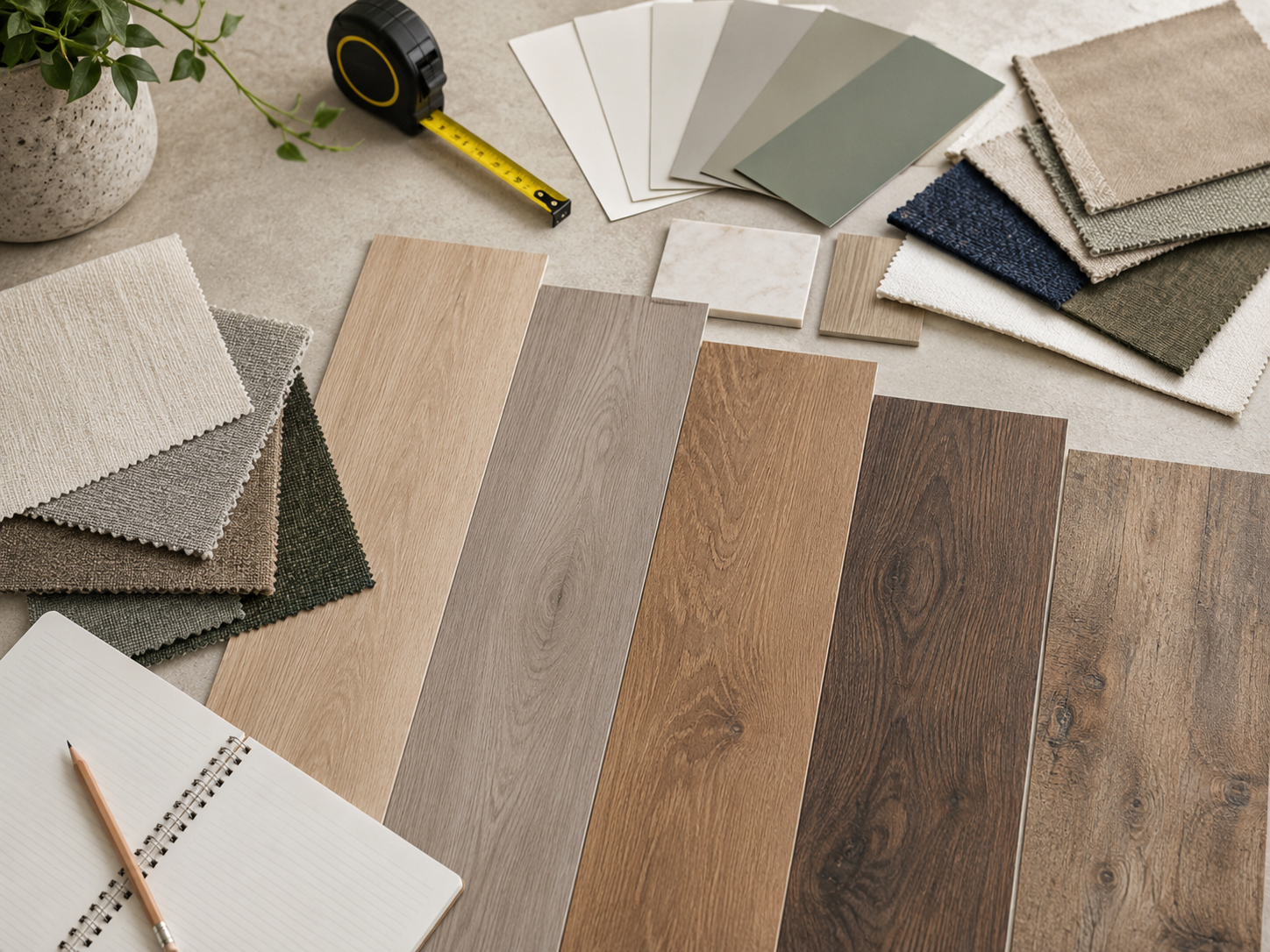
Yes, many laminate floors can be used successfully in kitchens, particularly modern water-resistant or waterproof-rated ranges. Kitchens are one of the most popular places for laminate because homeowners want a warm, natural-looking floor that is comfortable underfoot and easy to keep clean.
However, kitchens are also high-risk areas for water exposure. There are dishwashers, sinks, washing machines, cooking splashes and the occasional dropped drink. The right product and installation method make a real difference.
When choosing laminate for a kitchen, look for:
Do not leave water sitting around the sink, dishwasher or pet bowls. Even a highly water-resistant laminate floor will benefit from quick cleaning. It is also wise to use absorbent mats near the sink and external doors, as long as the backing is suitable for use with laminate.
A well-chosen water-resistant laminate can work beautifully in a kitchen. However, if your home regularly deals with large spills, young children, pets or a very active cooking space, LVT may be another option worth considering.
This depends entirely on the product. Traditional laminate flooring is generally not recommended for bathrooms because bathrooms experience regular humidity, splashes, wet feet and the possibility of water sitting on the floor.
Even if water is wiped away quickly, moisture in the air can create challenges over time. In small or poorly ventilated bathrooms, steam from showers and baths may increase the risk of moisture reaching board edges or joins.
Some specialist laminate ranges are specifically designed and approved for bathrooms. These products may include enhanced edge sealing, improved locking systems and more water-resistant core technology. If you are considering laminate for a bathroom, never assume it is suitable simply because the surface looks water-resistant.
Always check that the manufacturer explicitly states the product can be installed in bathrooms. If this is not clearly confirmed, choose a more suitable flooring option.
For many UK bathrooms, LVT, sheet vinyl, porcelain tile or waterproof SPC flooring may provide greater peace of mind. These options are often better suited to frequent moisture and are easier to manage if water is accidentally left on the floor.
A small spill is not usually a disaster. If you wipe it up quickly, most good-quality laminate flooring should be fine. The problem starts when water is left standing or repeatedly reaches the same vulnerable areas.
Possible signs of water damage include:
Once a laminate board has swollen significantly, it is difficult to restore it to its original condition. Drying it may stop the problem getting worse, but it will not always reverse visible expansion or distortion.
If you discover a leak, act quickly. Remove any standing water, dry the area with towels and improve ventilation. If water has reached beneath the floor, you may need professional advice, particularly if the subfloor or underlay is affected.
The quicker moisture is removed, the better the chance of avoiding permanent damage.
Absolutely. Even the best laminate product can perform poorly if it is installed incorrectly.
Laminate flooring needs a stable, clean and dry subfloor. The correct underlay should be used where required, and the fitting instructions should be followed carefully. Expansion gaps around walls, door frames and fixed furniture are essential because laminate naturally expands and contracts slightly with changes in temperature and humidity.
In water-resistant laminate ranges, the manufacturer may specify particular fitting methods for kitchens or bathrooms. This could include using a recommended sealant around perimeter edges, pipe penetrations or transitions. Using the wrong sealant, skipping edge details or fitting boards too tightly can affect the product warranty.
It is also important not to confuse water-resistant flooring with fully sealed flooring. Laminate is generally a floating floor, and its ability to cope with moisture often relies on well-made joins and correct edge finishing rather than a completely watertight installation.
For this reason, professional fitting can be especially valuable in moisture-prone areas. A skilled installer will prepare the subfloor properly and follow the specific guidance supplied with the chosen range.
Cleaning laminate is straightforward, but it should never be soaked. Excess water is one of the most common causes of avoidable damage.
Start by sweeping, vacuuming or using a dry microfibre mop to remove dust and grit. This protects the surface from light scratches and makes wet cleaning more effective.
For routine cleaning, use a well-wrung microfibre mop and a laminate-safe cleaner. The mop should be damp rather than wet. You should not see pools of water left behind after each pass.
Avoid steam mops unless the flooring manufacturer specifically confirms they are safe for your chosen product. Steam can force heat and moisture into the joins, potentially causing swelling or damage.
For spills, use a clean cloth straight away. Do not leave wet towels, pet beds or damp mats sitting on the floor for extended periods. In kitchens, wipe away splashes around sinks and appliances as part of your usual cleaning routine.
A simple approach works best:
Avoid waxes, polishes and oil-based cleaning products. Laminate does not need them, and they can leave a cloudy or slippery residue.
For many households, waterproof or enhanced water-resistant laminate is worth considering. It can provide extra reassurance in high-use spaces such as kitchens, hallways, utility rooms and open-plan living areas.
The additional protection can be especially useful if you have children, pets or frequent visitors. It gives you more time to deal with everyday spills and makes the floor better suited to the reality of busy family life.
However, it is important to choose based on your needs rather than marketing terms alone. Compare the product’s stated water protection, wear rating, warranty conditions and approved room uses.
You should also consider the visual style you want. Laminate offers a huge variety of realistic wood effects, from pale Scandinavian oak to rich walnut tones and contemporary herringbone layouts. Higher-quality ranges often feature more detailed embossing and more natural plank variation.
If you love the look and feel of laminate but need stronger everyday moisture protection, a waterproof-rated range can be an excellent balance between style, performance and value.
Both laminate and LVT are popular options, but they perform differently around moisture.
LVT is made from vinyl-based materials and is generally highly water-resistant. Many LVT products are suitable for kitchens, bathrooms and utility rooms because water does not affect them in the same way it can affect a fibreboard-based laminate core. LVT is also softer and quieter underfoot, making it popular in family homes.
Laminate can offer a more traditional wood-floor feel and a very convincing visual finish. It is often thicker underfoot and can be a cost-effective way to achieve a premium timber look. Modern water-resistant laminate has improved considerably, but it still needs more care around prolonged moisture than LVT.
There is no single right answer. The best choice depends on the room, the amount of water exposure, your design preference and your budget.
Choose laminate if you want a beautiful wood-effect floor for lower-moisture rooms or a kitchen with manageable everyday spills.
Choose water-resistant laminate if you need greater protection in a busy kitchen, hallway or family space.
Choose LVT or another fully water-resistant alternative if the room is likely to experience frequent water exposure, such as a bathroom, utility room or home with regular wet shoes and pets.
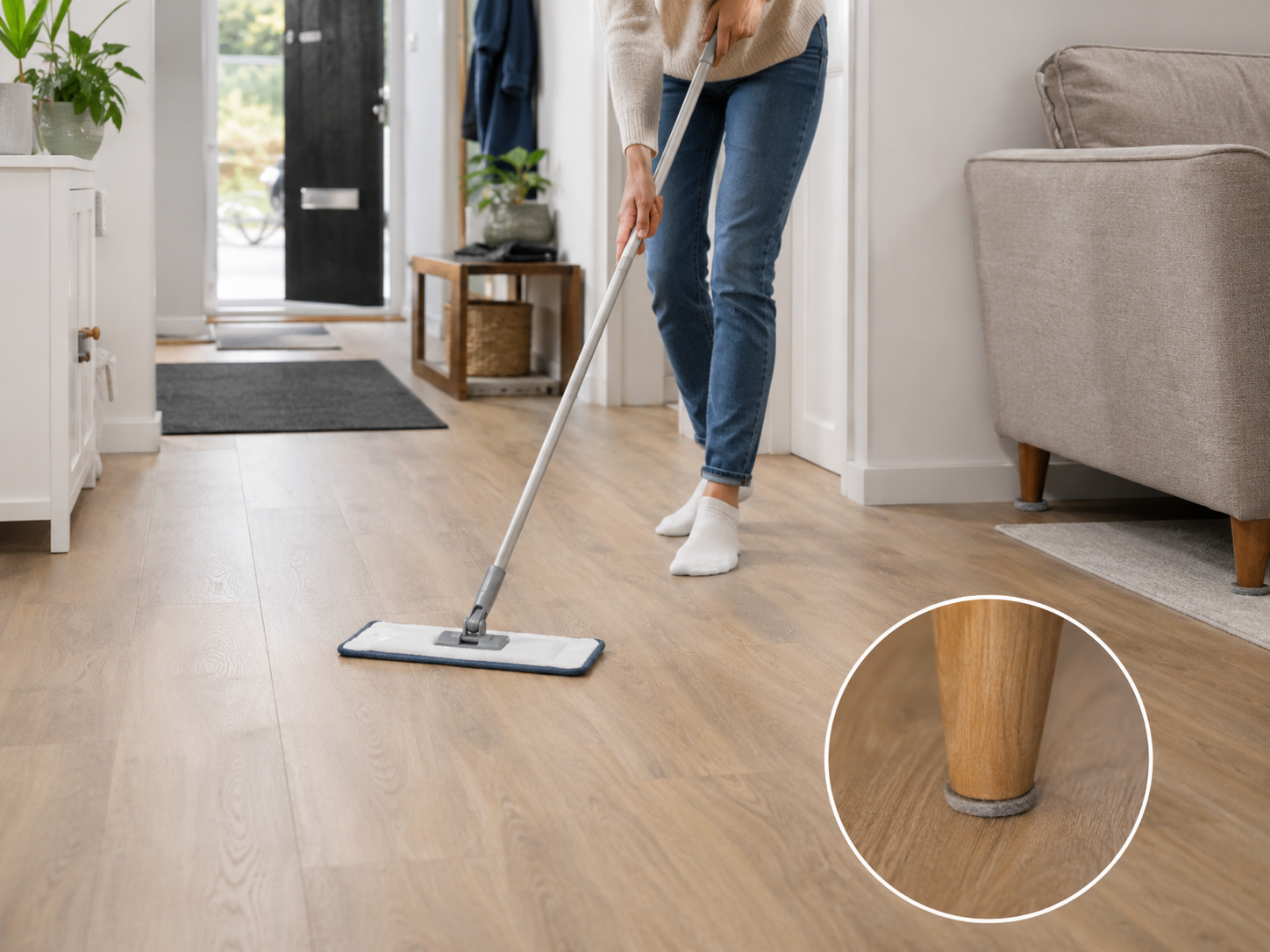
A few simple habits can help keep laminate flooring looking great for longer.
Place mats at entranceways to trap rainwater, mud and grit before they reach the floor. Use rugs in areas where spills are likely, such as beneath dining tables or near sinks, but make sure the rug backing is suitable for laminate.
Wipe up spills as soon as they happen. This is particularly important around dishwasher doors, washing machines, fridge water dispensers and pet bowls.
Use felt pads beneath furniture legs to avoid scratches, and lift heavy furniture rather than dragging it. Keep indoor humidity stable where possible, especially in rooms affected by seasonal changes.
If you are fitting laminate in an area with occasional moisture, choose a product designed for that environment and follow its care instructions from day one. Prevention is always easier than repairing water damage later.
Laminate flooring is not automatically waterproof, but the right range can offer excellent protection against everyday spills and moisture. Traditional laminate is best suited to dry rooms, while water-resistant and waterproof-rated laminate can be a practical choice for kitchens, hallways and busy family spaces.
The most important thing is to look beyond the headline claim. Check how long the floor is designed to resist water, whether it is approved for your chosen room, and what installation and cleaning rules apply. A well-chosen product, fitted correctly and cared for properly, can give you a stylish and durable floor for years to come.
At Casa Flooring, we can help you compare laminate, LVT and other practical flooring options for your space. Whether you are updating a family kitchen, creating a welcoming hallway or refreshing your living room, choosing the right floor starts with understanding how it will work in everyday life.