Choosing new flooring can feel confusing, especially when there are so many similar-sounding options: vinyl, LVT, laminate, SPC, cushion vinyl, engineered wood and more. One of the most popular choices for modern UK homes is LVT flooring, also known as Luxury Vinyl Tile flooring.
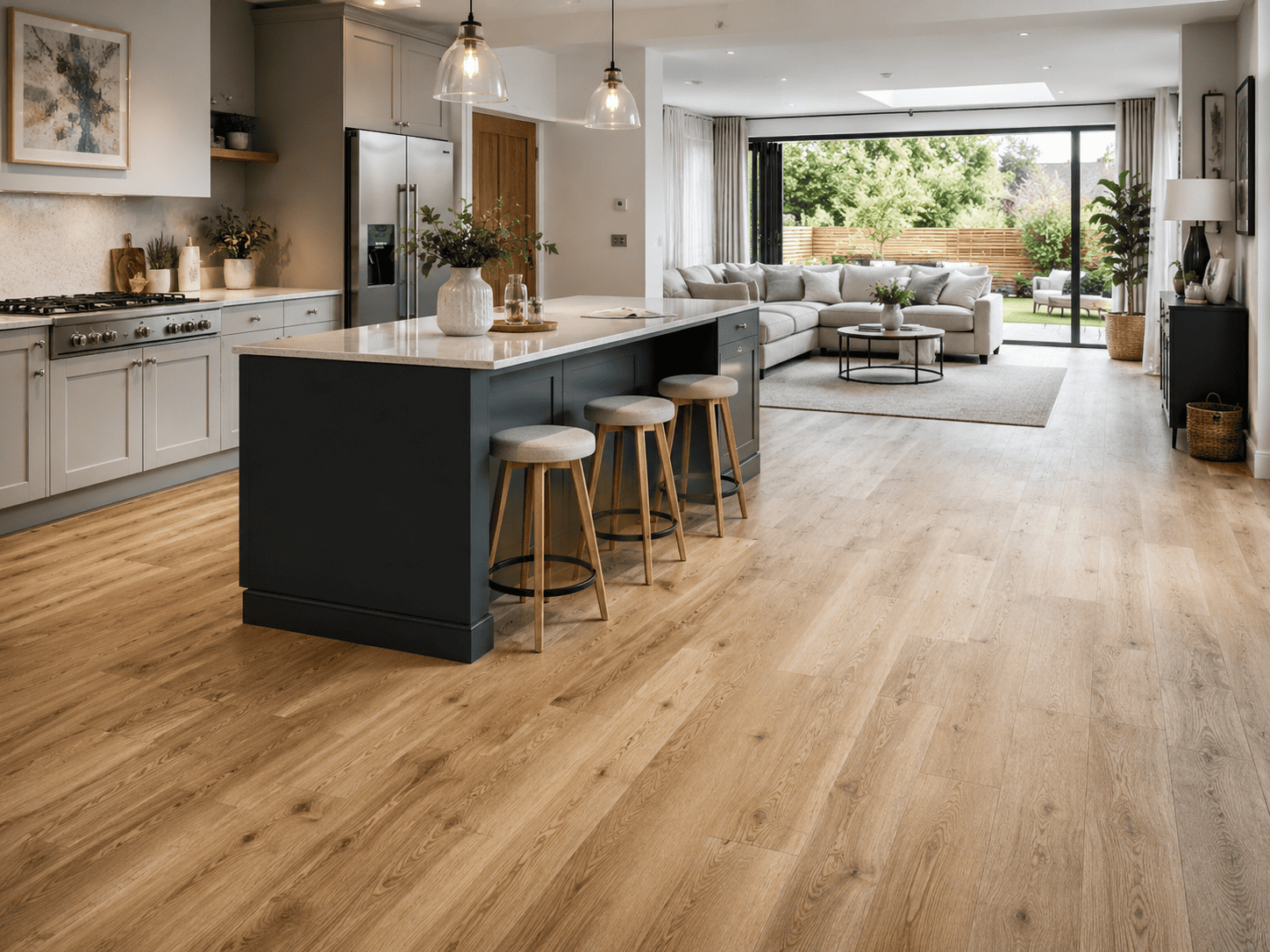
LVT has become a favourite for homeowners who want the look of real wood, stone or tile without the higher maintenance that often comes with natural materials. It is stylish, practical, comfortable underfoot and available in a wide choice of colours, patterns and finishes. Whether you are updating a kitchen, bathroom, hallway, living room or full home renovation, LVT can be a smart option.
In this complete guide, we explain what LVT flooring is, how it is made, where it works best, the difference between click and glue-down LVT, how to care for it, and what to consider before buying.
LVT stands for Luxury Vinyl Tile. It is a modern vinyl flooring product designed to replicate the appearance of natural materials such as wood, stone, slate, marble and ceramic tiles.
Despite the word “tile”, LVT does not only come in square tile shapes. It is also available in plank formats, which are commonly used to create wood-effect flooring. This is why you may see terms such as:
The main appeal of LVT is that it gives homeowners a realistic, premium-looking floor while still being practical for everyday life. It can handle busy family homes, pets, spills, muddy shoes and regular cleaning better than many traditional flooring materials.
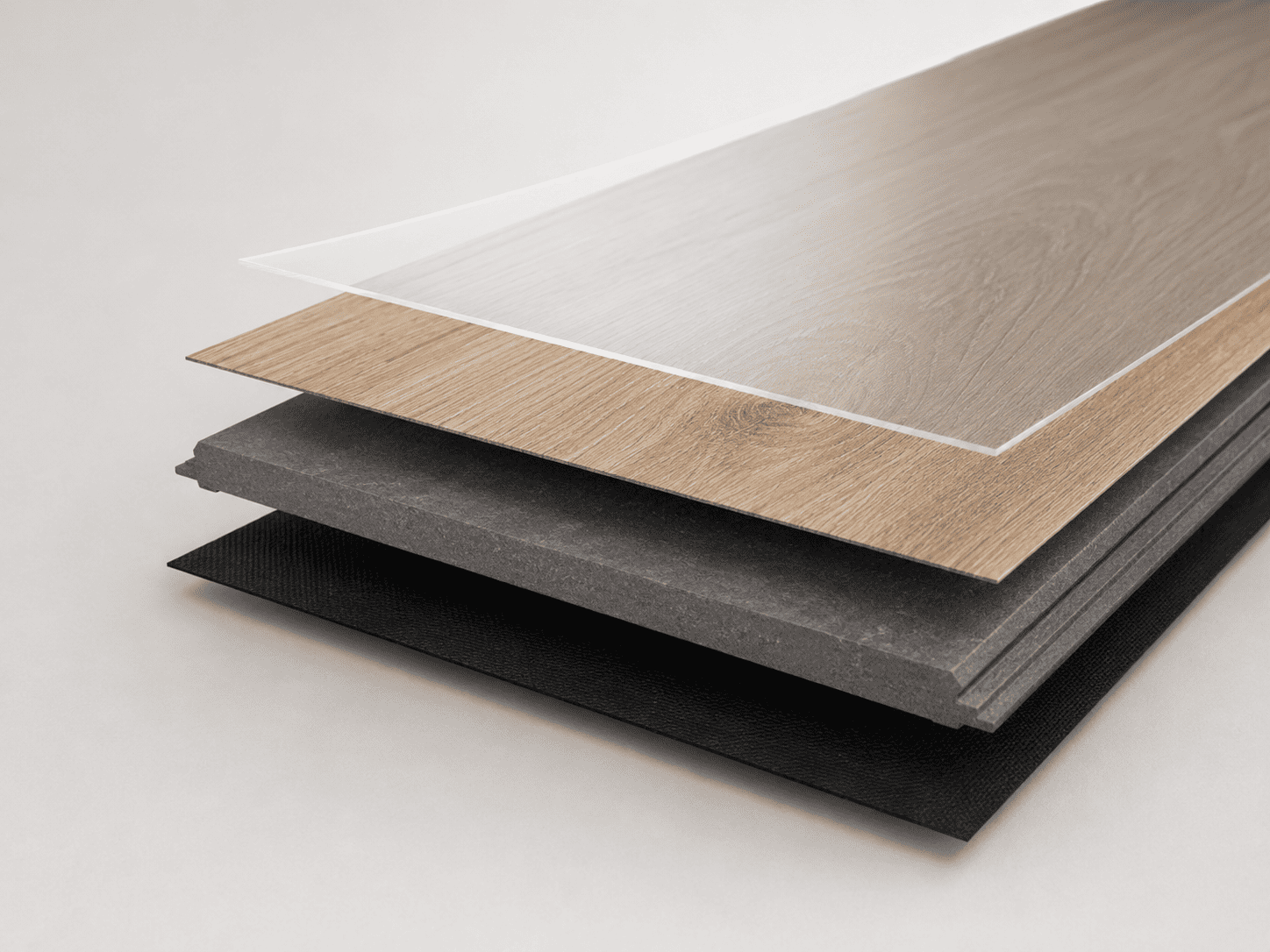
LVT is made using multiple layers. Each layer has a specific job, helping the floor look good, feel stable and perform well over time.
A typical LVT plank or tile includes:
The wear layer is the top protective surface of the flooring. This layer helps protect the design from everyday wear, scuffs and general foot traffic. In simple terms, the thicker and stronger the wear layer, the better suited the product is for busier areas.
For a normal home, a domestic-grade wear layer may be enough. For hallways, kitchens, rental properties or busy households, it is worth looking for a more durable specification.
This is the printed layer that creates the visual appearance of the floor. It can be made to look like oak, walnut, grey wood, herringbone, concrete, marble, limestone, slate or patterned tiles.
Good-quality LVT can look very realistic because the design layer often includes natural grain details, colour variation and texture.
The core gives the product structure. Some LVT products are flexible, while others have a rigid core. Rigid core products are often known as SPC flooring or rigid vinyl flooring. These are usually more stable and can be a good option where a stronger click system is needed.
The backing layer helps the product sit properly on the subfloor. Some click LVT products also come with built-in underlay, while glue-down LVT normally needs to be installed directly onto a smooth, well-prepared surface.
LVT is popular because it balances style, practicality and value. UK homes often need flooring that can cope with changing weather, wet shoes, pets, children, kitchen spills and high-traffic areas. LVT is well suited to these everyday situations.
Here are the main reasons homeowners choose it.
One of the biggest advantages of LVT is its design flexibility. You can achieve the look of natural oak, rustic wood, grey stone, marble, concrete or ceramic tile without using the real material.
This makes it ideal if you want a luxury interior style but need something easier to live with.
For example, wood-effect LVT can give you the warmth of timber flooring, while stone-effect LVT can create a premium bathroom or kitchen look without the cold, hard feeling of real stone.
Many LVT floors are designed to handle moisture better than laminate or real wood. This makes LVT a popular choice for kitchens, bathrooms, utility rooms and entrance hallways.
However, it is important to remember that the flooring itself may be water-resistant or waterproof depending on the product, but the full installation still matters. Poor subfloor preparation, incorrect adhesive or badly fitted edges can affect performance.
Always check the product specification before using LVT in wet areas.
Compared with ceramic or porcelain tiles, LVT usually feels warmer and slightly softer underfoot. This makes it more comfortable for everyday living, especially in kitchens where you may stand for longer periods.
It is also a good choice for family homes because it gives a practical surface without feeling too hard or cold.
LVT is low maintenance. For everyday cleaning, sweeping, vacuuming and occasional damp mopping are usually enough. It is a practical option for homes with pets, children or heavy foot traffic.
Unlike carpet, LVT does not hold dust and pet hair in the same way. Unlike real wood, it does not usually need sanding, staining or refinishing.
LVT can be used in almost every room of the home, including:
It is especially useful in open-plan spaces because you can run the same floor through the kitchen, dining and living area for a clean, continuous look.
Whether your home is modern, traditional, minimal, rustic or luxury-inspired, there is likely to be an LVT style to match.
Popular LVT styles include:
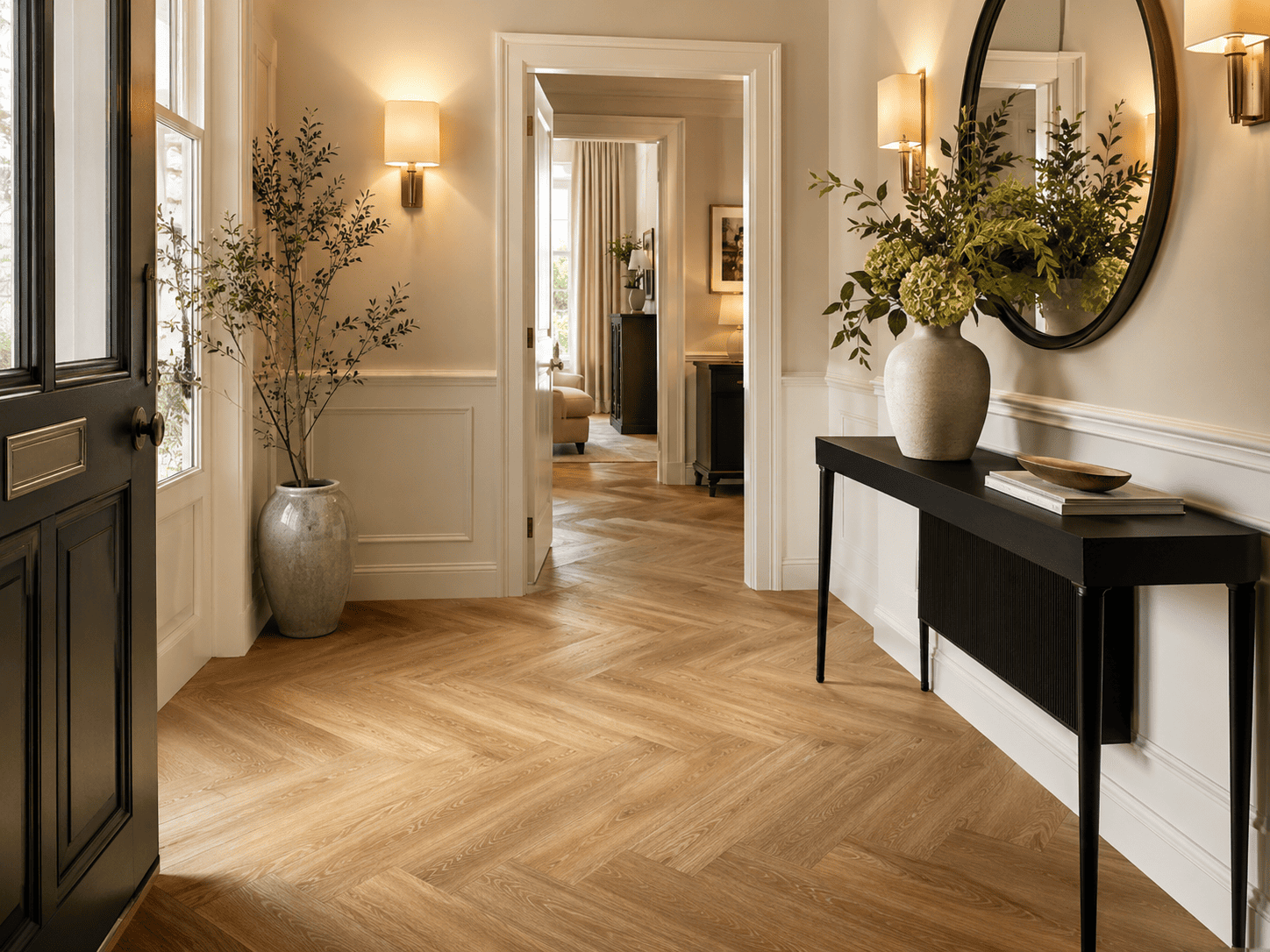
Herringbone LVT is especially popular for hallways, living rooms and open-plan spaces because it creates a high-end interior design look.
There are two main installation types homeowners should understand: click LVT and glue-down LVT.
Click LVT uses a locking system where planks or tiles click together. It is often installed as a floating floor, meaning it is not glued directly to the subfloor.
Click LVT still needs a suitable, level subfloor. If the subfloor is uneven, the locking joints can become stressed over time. Expansion gaps may also be required around the room depending on the product instructions.
Some click LVT products come with built-in underlay, while others may require a specific underlay. Always check the manufacturer’s guidance.
Glue-down LVT, also called dryback LVT, is fixed directly to the prepared subfloor using adhesive.
Glue-down LVT needs excellent subfloor preparation. Any bumps, dips or imperfections can show through the floor. In many cases, the floor may need smoothing compound or levelling before fitting.
The main benefit is that glue-down LVT gives a secure, stable finish and allows for more detailed laying patterns, including herringbone, borders and design strips.
LVT and laminate are often compared because both can create a wood-effect floor at a more affordable price than real wood.
The key difference is the material. Laminate usually has a wood-based core, while LVT is vinyl-based. This means LVT is generally better suited to areas where moisture is a concern, such as kitchens, bathrooms and utility rooms.
Laminate can be a great choice for bedrooms, living rooms and dry spaces, especially if you want a realistic wood feel. LVT is often the better option where water resistance, easy cleaning and flexibility are priorities.
Traditional sheet vinyl comes in large rolls, while LVT comes in individual planks or tiles.
Sheet vinyl can be very practical and budget-friendly, especially for bathrooms and kitchens. However, LVT usually offers a more premium look, better design realism and more flexible styling options.
If you want a realistic wood plank or stone tile appearance, LVT is usually the stronger design choice. If you need a simple, cost-effective floor for a bathroom, utility room or rental property, sheet vinyl may also be worth considering.
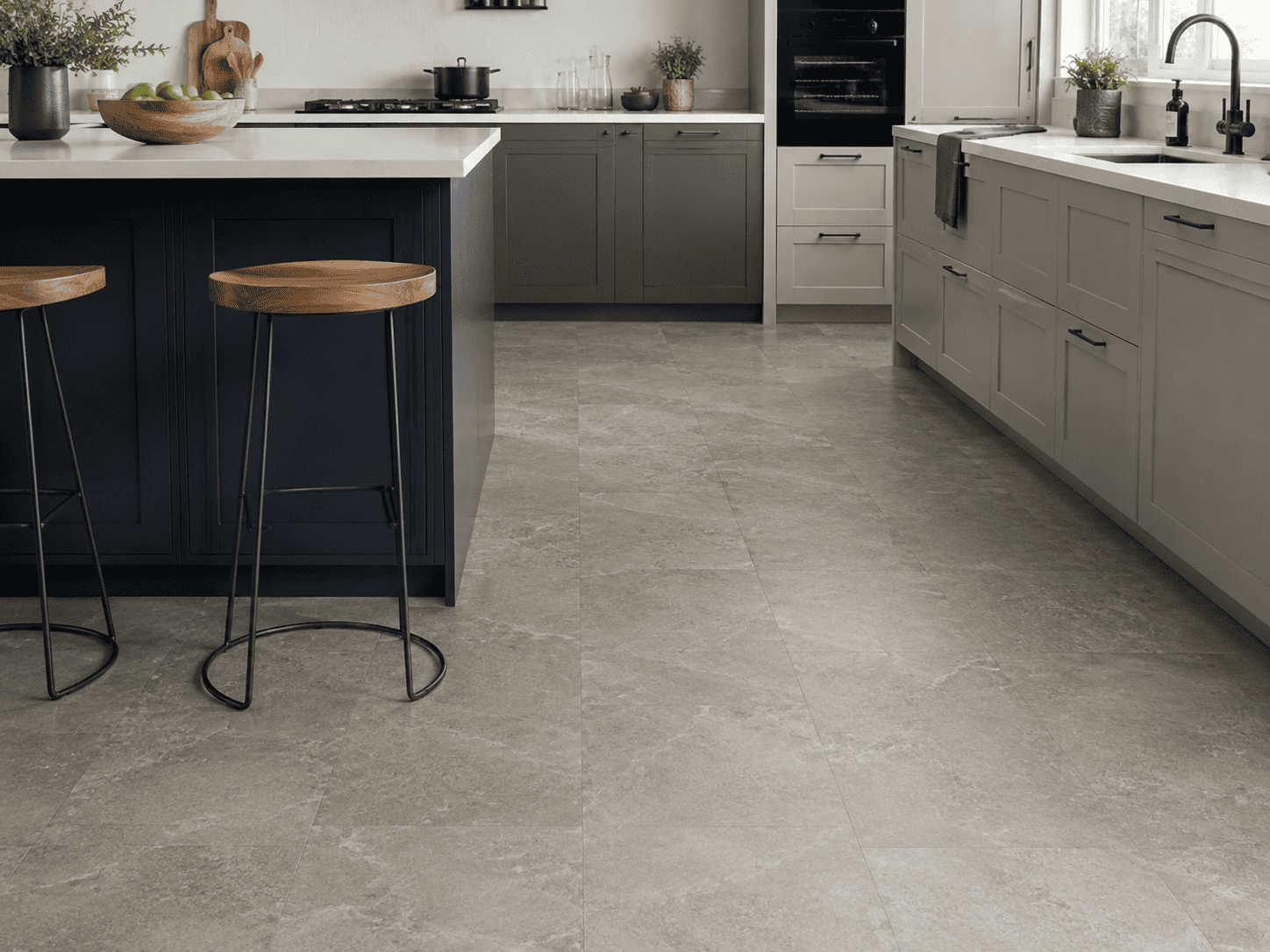
Kitchens are one of the best places to use LVT. The floor needs to handle spills, food mess, chairs moving, foot traffic and regular cleaning. LVT gives you the practical benefits needed for a kitchen while still offering a stylish finish.
Wood-effect LVT works well in modern kitchens, while stone-effect LVT is ideal if you want a tile look without the cold feel of ceramic.
LVT can be a good bathroom flooring choice, provided the product is suitable and the installation is done correctly. It offers a warmer and more comfortable surface than tiles and can create a luxury spa-style look with marble, slate or stone-effect designs.
For bathrooms, professional fitting is recommended to help ensure edges, joins and subfloor preparation are properly handled.
Hallways deal with muddy shoes, wet coats, pets, prams and constant foot traffic. LVT is a practical choice because it is easy to clean and available in durable finishes.
Herringbone LVT is particularly effective in hallways because it makes an entrance feel more premium.
In living rooms, LVT offers comfort, style and easy maintenance. Wood-effect planks can create a warm, natural look without the upkeep of real wood. It also pairs well with rugs, neutral furniture and open-plan layouts.
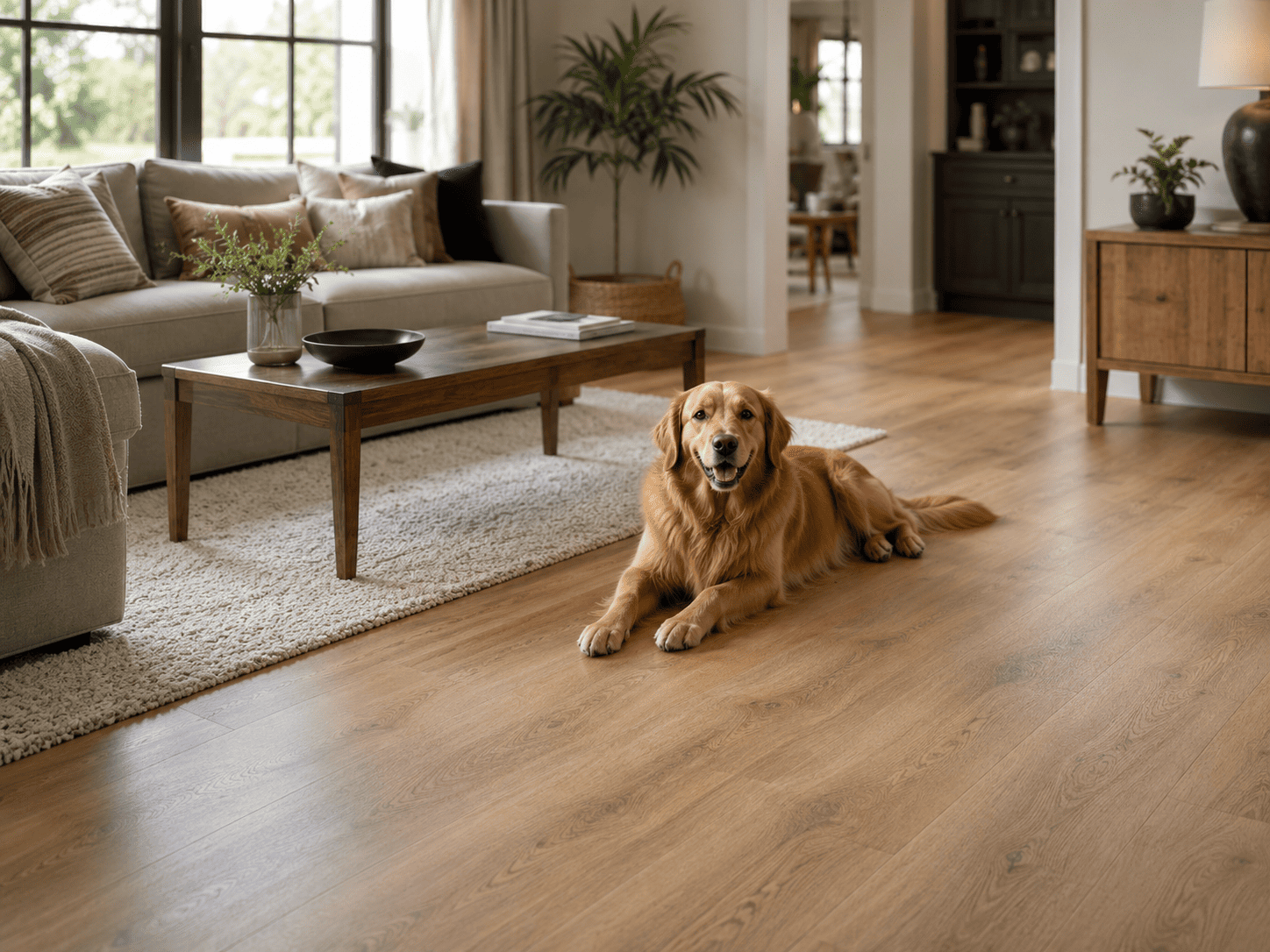
LVT is a popular choice for pet owners because it is easier to clean than carpet and more resistant to everyday pet mess than natural wood. It can help with muddy paws, water bowls and pet hair.
For dogs, consider textured finishes that offer better grip and choose a product with a strong wear layer for scratch resistance.
This is one of the most common questions homeowners ask.
Many LVT products are described as waterproof or water-resistant, but the answer depends on the exact product and installation method. The vinyl material itself handles moisture well, but water can still cause problems if it gets beneath the flooring through poorly sealed edges, gaps or an unsuitable subfloor.
For kitchens, bathrooms and utility rooms, choose an LVT product that is clearly suitable for moisture-prone areas and follow the fitting instructions carefully. When in doubt, professional installation is the safest route.
Many LVT floors can be used with underfloor heating, but not every product is suitable. The heating system, adhesive, underlay and flooring all need to be compatible.
Before buying, always check:
This is especially important for glue-down LVT and rigid click flooring.
The lifespan of LVT depends on product quality, wear layer, fitting quality and maintenance. A well-chosen LVT floor can last for many years in a normal home, especially when installed correctly and cleaned properly.
For busy areas, it is worth investing in a better-quality product with a stronger wear layer. Cheaper LVT may look good at first, but it may not perform as well in high-traffic areas.
LVT is easy to look after, but it still needs the right care.
For regular cleaning:
Small habits make a big difference. Grit and dirt can act like sandpaper over time, so regular sweeping helps protect the surface.
Before choosing an LVT floor, think about how the room is used.
Ask yourself:
It is always a good idea to order samples before buying. Flooring can look different in your own home depending on natural light, wall colours, furniture and room size.
For many UK homeowners, yes. LVT is worth considering if you want a floor that looks stylish, is easy to maintain and works well in busy areas of the home.
It is especially useful if you like the appearance of real wood or stone but want something more practical for everyday family life. It is also a good option for kitchens, bathrooms, hallways and open-plan spaces where durability and easy cleaning matter.
The most important thing is to choose the right type of LVT for the room and make sure it is fitted correctly. A good product with poor installation may still cause issues, so subfloor preparation and fitting method are just as important as the design.
LVT flooring is one of the most versatile flooring options for modern UK homes. It offers the look of wood, stone or tile with the practical benefits of vinyl. It is comfortable underfoot, easy to clean, available in a wide range of styles and suitable for many rooms.
If you are planning a home renovation, LVT is worth exploring for kitchens, bathrooms, hallways, living rooms and utility spaces. Choose samples, compare finishes in your own lighting and check the product specification before making your final decision.
At Casa Flooring, you can explore a wide range of flooring options for every room, including stylish LVT, laminate, vinyl, carpet and flooring accessories. Order samples first to see how your chosen floor looks and feels in your home before you buy.
LVT stands for Luxury Vinyl Tile. It is a modern vinyl flooring product designed to look like natural materials such as wood, stone or ceramic tile.
LVT is often better for kitchens, bathrooms and moisture-prone areas because it handles water better than standard laminate. Laminate can still be a good choice for dry rooms such as bedrooms and living rooms.
Yes, LVT is a popular kitchen flooring option because it is durable, easy to clean and available in realistic wood and stone-effect designs.
Many LVT products are suitable for bathrooms, but the product and installation must be appropriate for wet areas. Always check the manufacturer’s guidance.
Neither is automatically better. Click LVT can be quicker to install, while glue-down LVT is often preferred for high-traffic areas, bathrooms, kitchens and design-led layouts such as herringbone.
Some click LVT products need a specific underlay, while others have built-in backing. Glue-down LVT normally does not use underlay because it is fixed directly to the prepared subfloor. Always check the product instructions.
Sweep or vacuum regularly, then damp mop with a suitable neutral floor cleaner. Avoid steam cleaners, harsh chemicals, wax and abrasive pads unless approved by the flooring manufacturer.
Yes, LVT is a practical choice for pet-friendly homes because it is easy to clean and more resistant to everyday spills and mess than carpet or natural wood.